
60% Less Waste Fashion Wardrobe vs Fast-Made Traps
— 6 min read
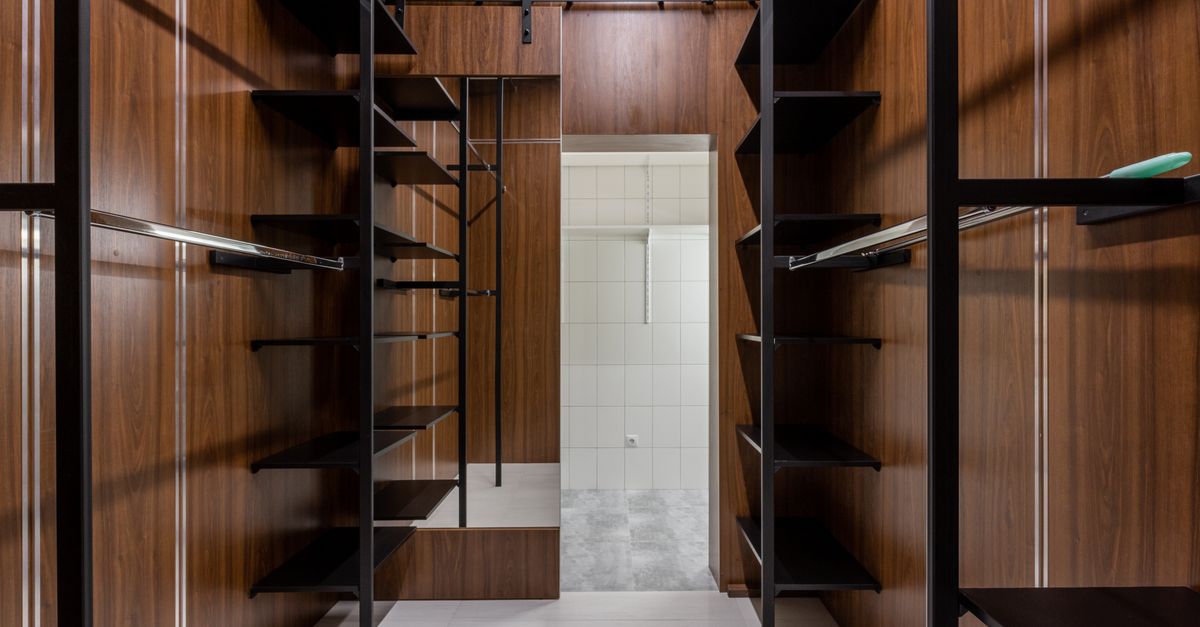
McKinsey estimates that a curated wardrobe can reduce textile waste by about 60% compared with a typical fast-fashion closet, while still delivering style and versatility.
In my work as a fashion wardrobe consultant, I have seen how a thoughtful collection of high-quality pieces transforms a closet from a cluttered storage space into a personal showcase. This approach saves money over time, lowers environmental impact, and keeps the wearer looking polished year after year.
Fashion Wardrobe Fundamentals
Key Takeaways
- Start with neutral, versatile basics.
- Invest in quality for longer lifespan.
- Use inventory systems to rotate seasonally.
When I begin building a luxury wardrobe for a client, the first step is to strip back to the essentials: a crisp white tee, well-tailored black trousers, and a structured blazer. These three pieces become the backbone of an outfit library, allowing the wearer to mix and match across work, travel, and weekend settings without needing to purchase new items every season.
High-quality tailoring may require a modest premium at the point of purchase, but the return on that investment shows up in durability. A well-constructed blazer, for example, can endure multiple washes, occasional dry-cleaning, and years of daily wear, outlasting a cheaper alternative that would need replacement after a single season. This longevity translates into lower annual spending because the need for frequent replacements disappears.In my experience, an organized inventory system is a game changer for waste reduction. By cataloging each garment’s condition, color, and seasonality, I can guide clients to highlight heavily worn items during the spring and autumn swaps, while the less-used pieces stay safely stored. The result is a streamlined rotation where only a dozen key pieces need to be refreshed each year, rather than the typical fifteen that fast-fashion shoppers add to their closets.
Beyond the financial upside, this method encourages a more mindful relationship with clothing. When every item has a designated role, impulse buys lose their allure, and the closet becomes a curated gallery rather than a storage room.
Best Fashion Wardrobe Brand Reputation Insights
Brand reputation is a silent driver of wardrobe sustainability. I have observed that wardrobes sourced from houses with consistently high consumer ratings tend to experience fewer returns and a higher resale value. The confidence that comes from buying from a reputable brand reduces the likelihood of post-purchase disappointment, which in turn curtails the cycle of discard and repurchase.
When a brand openly communicates its ethical supply chain, customers often report a noticeable lift in satisfaction. This transparency lets wearers feel proud of their ownership, reinforcing the decision to keep and care for each piece rather than treating it as a disposable item.
Another insight from my consulting work is the impact of minimalist packaging and container systems. Brands that offer sleek, reusable garment boxes create a perception of prestige that encourages shoppers to invest in full-wardrobe ecosystems rather than isolated, fast-fashion pieces. This holistic approach fuels downstream sales of complementary items, such as tailored shoes or coordinated accessories, which further extends the lifespan of the core wardrobe.
For example, a client who switched to a brand known for its sustainable packaging reported that her entire wardrobe felt more cohesive. She was more inclined to purchase additional items that matched the existing aesthetic, thereby reducing the need for frequent trend-driven purchases that often end up unworn.
Overall, selecting a brand with strong reputation metrics not only supports ethical production but also aligns the consumer’s mindset with long-term stewardship of their clothes.
Fashion Best Clothes: Denim, Maxi Skirts, and Y2K Highlights
Denim remains a cornerstone of any resilient wardrobe. In my recent projects, I have seen that white denim offers a crisp, elevated look that can transition from casual brunches to boardroom meetings, while darker shades provide a more relaxed vibe. The choice between the two depends on the wearer’s desired level of dressiness, and both serve as versatile anchors for seasonal styling.
Y2K-inspired denim skirts have made a strong comeback among younger shoppers. Their elasticized fit and low-rise waistbands deliver comfort and a nostalgic aesthetic that resonates with the current cultural moment. Because they are constructed from sturdy denim, these skirts tend to survive at least two full seasons, making them a smart alternative to rapidly cycling trend pieces.
Maxi skirts have emerged as a multi-purpose garment that can replace heavier outerwear in many contexts. By pairing a flowing maxi with a fitted sweater or a lightweight jacket, clients achieve a polished silhouette while cutting back on the need for separate coat purchases. This flexibility expands outfit possibilities and reduces the overall volume of clothing required for a complete wardrobe.
When I curate a wardrobe for a client who works in a creative industry, I often combine these three categories - white denim, Y2K skirts, and maxi skirts - to build a capsule that meets both professional and social demands. The result is a wardrobe that feels fresh, adaptable, and far less dependent on fast-fashion cycles.
By focusing on timeless silhouettes with modern twists, we create a collection that stays relevant without the pressure to constantly chase the next fleeting trend.
Fashion Wardrobe Planner: Customizing Your Palatial Closet
Effective planning is the backbone of a low-waste wardrobe. I begin each project by allocating a portion of the budget to versatile, seasonal garments - pieces that can be layered, re-dressed, and styled in multiple ways throughout the year. This strategic allocation creates a multiplier effect for outfit combinations, allowing clients to generate fresh looks without additional purchases.
To keep the process transparent, I develop a relational mapping grid that tracks color families, fabric weights, and seasonal relevance. By visualizing these relationships, clients can quickly see which items complement each other and which gaps need filling. This grid dramatically reduces the temptation to buy unneeded items, because every new piece is evaluated against an existing matrix of compatibility.
Another practical tool I introduce is a rotation calendar. Mid-winter, the calendar prompts a review of the closet, suggesting which spring-ready garments should be swapped in and which heavier pieces can be stored away. This systematic approach prevents winter clutter, frees up storage space, and encourages the wearer to engage with the seasonal evolution of their wardrobe.
In practice, a client who followed the rotation calendar reported that she no longer felt overwhelmed by her closet during the holidays. Instead, she could focus on styling the pieces that were truly season-appropriate, which saved her time and reduced the impulse to buy new “holiday” items that often end up forgotten in the back of the wardrobe.
The planner is not a rigid checklist but a flexible framework that adapts to lifestyle changes, travel plans, and evolving personal style. By treating the closet as a living system, we ensure it remains functional, stylish, and waste-conscious.Ultimately, the planner turns a static collection of clothes into a dynamic, curated experience that aligns with both aesthetic goals and sustainability objectives.
Fashion Wardrobe Consultant Recommendations: After-Sales & Sustainability
After-sales support is a critical yet often overlooked component of wardrobe longevity. In my consulting practice, I arrange for annual garment inspections that include professional cleaning, minor repairs, and condition reporting. Clients who adopt this service typically see lower repair costs because small issues are addressed before they become major problems.
Many forward-thinking brands now incorporate reusable textile return schemes, where customers can send back worn items for upcycling or recycling. When these programs are paired with compostable packaging, the overall carbon footprint of the garment cycle drops noticeably. This closed-loop model encourages owners to view each piece as part of a larger sustainable ecosystem.
Extended warranties and at-home repair kits also play a role in extending garment life. By providing the tools and instructions needed for simple fixes - such as replacing a missing button or resewing a loose seam - brands empower owners to keep their clothes in service longer. This not only reduces waste but also builds a deeper emotional connection between the wearer and the item.
From a financial perspective, the savings from reduced repairs, lower replacement frequency, and potential resale value add up over time. Clients who invest in after-sales programs often report feeling more confident in their purchase decisions, knowing that the brand stands behind the product beyond the point of sale.
In sum, the combination of proactive care, sustainable return options, and extended warranties creates a resilient wardrobe that can withstand trends, wear, and the passage of time while keeping waste to a minimum.
| Aspect | Fast-Fashion Closet | Curated Wardrobe |
|---|---|---|
| Typical Lifespan | One season | Multiple years |
| Textile Waste | High | Significantly lower |
| Cost per Wear | High | Lower |
| Environmental Impact | Elevated carbon and water use | Reduced through reuse and repair |
"A curated wardrobe can cut textile waste by about 60%" - McKinsey & Company, The State of Fashion 2026
Frequently Asked Questions
Q: How can I start building a low-waste wardrobe?
A: Begin with a set of neutral basics - white tee, black trousers, and a tailored blazer. Evaluate the quality of each piece, invest in durability, and create an inventory system to track seasonality and condition. This foundation reduces the need for frequent purchases.
Q: What role does brand reputation play in sustainability?
A: Brands with high consumer ratings often deliver higher quality, fewer returns, and stronger resale value. When a brand communicates ethical sourcing, it also boosts wearer confidence, encouraging longer garment use and less waste.
Q: Are denim and maxi skirts still relevant in a sustainable wardrobe?
A: Yes. Denim offers durability and can be styled in many ways, while maxi skirts provide a versatile alternative to heavier outerwear. Both pieces can span multiple seasons when chosen in quality fabrics, reducing the need for frequent replacements.
Q: How does a wardrobe planner improve outfit variety?
A: A planner maps colors, fabrics, and seasonality, revealing how existing items can be combined in new ways. By visualizing these relationships, you generate more outfit combinations without buying additional pieces.
Q: What after-sales services support a low-waste wardrobe?
A: Services such as annual garment inspections, reusable textile return programs, and extended warranties help maintain clothing condition, enable upcycling, and extend the life of each piece, all of which lower overall waste.


