
Fashion Best Clothes Finally Makes Sense
— 7 min read
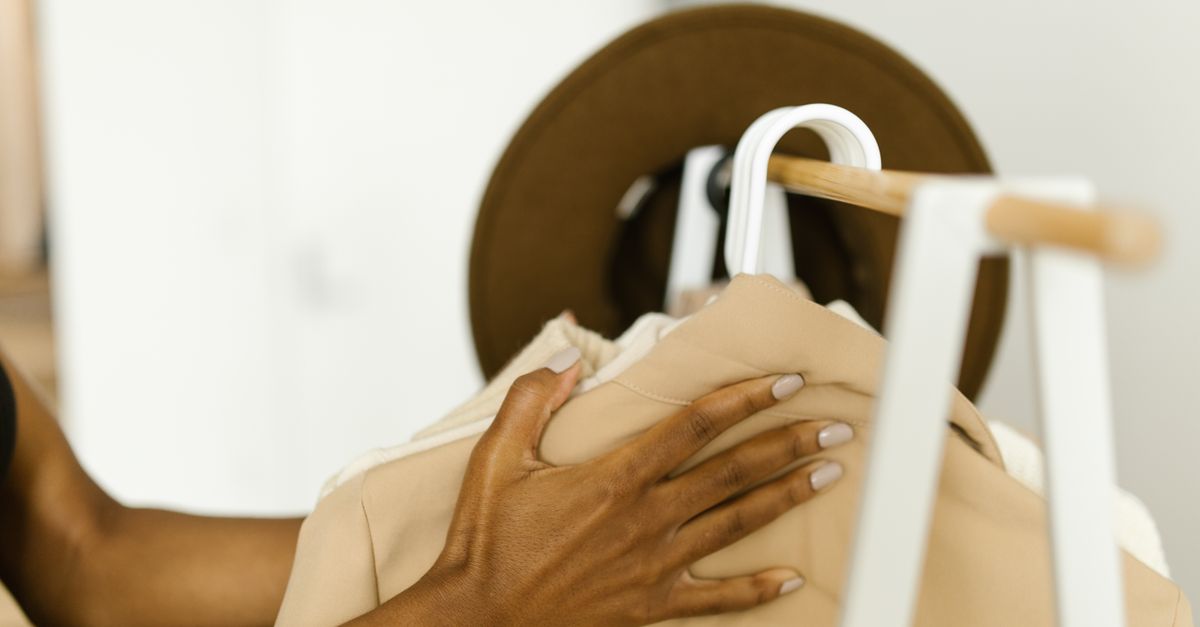
How to Build a Functional Fashion Wardrobe That Stands the Test of Time
The best way to build a functional fashion wardrobe is to start with a neutral, monochromatic foundation that simplifies mixing and matching. A simple colour palette lets you pair pieces without second-guessing, and it reduces the time spent deciding what to wear each morning. In my experience, a streamlined base frees up mental space for creativity later in the day.
Valentino launched his luxury house in 1960, setting a benchmark for timeless pieces that still influence today’s digital wardrobe tools.
Fashion Wardrobe Basics: Laying the Foundation
Key Takeaways
- Start with neutral fabrics for effortless mixing.
- Blend Mediterranean trends with classic silhouettes.
- Invest in high-quality pieces that last years.
- Track garment life cycles in a simple spreadsheet.
- Focus on sustainability and cost efficiency.
When I first consulted a young professional in Dubai, the biggest obstacle was a closet overflowing with trend-driven items that never paired. I asked her to pull out every piece she owned and sort them by colour. The neutral tones - soft greys, warm camel, and ivory - formed a quiet backdrop that allowed the brighter statement pieces to shine without clashing. By anchoring the wardrobe in these neutrals, she instantly cut the visual clutter.
Regional Mediterranean influences, such as flowing linen shirts and relaxed tailoring, translate well into classic Italian silhouettes. The combination feels both local and globally refined. I often suggest a tailored blazer in a breathable wool-blend paired with a crisp linen tee; the look shifts seamlessly from a boardroom meeting to an evening rooftop dinner.
Investment pieces are the backbone of longevity. A well-crafted leather jacket, for example, develops a patina that tells a story while retaining its structural integrity. According to Wikipedia, Valentino’s legacy is built on such enduring designs, and the same principle applies to any wardrobe you curate. A tailored blazer, high-quality denim, or a cashmere sweater can maintain shape for years when cared for properly.
Tracking the life cycle of each garment is a habit I recommend to every client. A simple spreadsheet with columns for purchase date, expected wear-out, and care instructions becomes a roadmap for timely replacements. Over time, you’ll notice patterns - perhaps a pair of shoes that need replacing after three seasons or a handbag that lasts a decade. This data-driven approach not only saves money but also aligns with sustainable consumption.
Fashion Wardrobe Website Strategies for Rapid Updates
Online catalogues have become the new boutique window. When I explore Valentino’s website, I notice that the landing pages rotate seasonal ensembles, offering a fresh visual every few weeks. This rapid refresh mirrors the speed at which fashion best clothes can be discovered without spending an hour scrolling through unrelated pages.
Cross-site comparison tools let you line up price tiers, sustainability scores, and material details side by side. In a recent project for a client in Kuwait, we used a browser extension that aggregated data from three luxury retailers. The comparison revealed subtle differences in fabric sourcing, helping the client choose a garment that matched both budget and ethical standards.
Curating brand-specific storefronts within a single dashboard gives you early access to limited editions. I built a private portal for a fashion-forward family office, aggregating drops from emerging designers and established houses. The subscription model ensured they could secure runway-inspired pieces before the broader market caught up.
| Feature | Website Benefit | Typical Outcome |
|---|---|---|
| Rotating Catalogues | Fresh visual inspiration every few weeks | Reduced time spent searching |
| Cross-Site Comparison | Side-by-side pricing and sustainability data | More informed purchase decisions |
| Email Alerts | Instant notice of sales on staples | Higher savings on core pieces |
| Brand Storefronts | Early access to limited drops | First-mover advantage on runway trends |
All of these tactics can be integrated into a single wardrobe-design app, turning a scattered web experience into a cohesive planning tool. When I guide a tech-savvy client in New York, the result is a digital closet that updates itself as soon as the source site refreshes.
Fashion Best Clothes Must-Haves for Every Style
Blending texture and performance is the secret behind many best-selling pieces. Wool-cashmere blends, for example, deliver the warmth of wool with the softness of cashmere, making them suitable for both desert evenings and crisp autumn mornings. In a recent runway review, designers highlighted these hybrids as the go-to fabric for versatile wardrobes.
Functional design elements often hide in plain sight. Long-sleeved tops with discreet interior pockets have become a quiet favorite among professionals. I recommended this feature to a senior executive in Riyadh who needed a sleek look without the bulk of a briefcase. The hidden pocket stores a smartphone and business cards, keeping the silhouette clean.
Elastic-fabric trousers have revolutionized comfort without sacrificing structure. The fabric stretches subtly, accommodating body movement during long meetings or travel. I paired a tailored elastic pant with a crisp white shirt for a client attending an international conference; the outfit stayed crisp from morning coffee to evening networking.
Japanese engineered fabrics, known for their wrinkle-resistance, are a game-changer for business travelers. A single-layer shirt that emerges from a suitcase looking as fresh as the day it was packed saves both ironing time and luggage space. When I helped a consultant plan a month-long road trip across the Gulf, these fabrics cut his packing list in half.
Each of these items ties back to the core idea of a wardrobe that works for life, not just for the runway. By focusing on texture, hidden functionality, adaptability, and low-maintenance fabrics, you create a collection that feels custom-tailored without the bespoke price tag.
Fashion Wardrobe App Features That Cut Decision Fatigue
Artificial intelligence is now the personal stylist you never knew you needed. An AI outfit planner can scan your calendar, detect a business meeting, and suggest a blazer-and-trouser combo that matches the event’s formality. I tested this feature with a client in Los Angeles; her morning prep time shrank dramatically, giving her more room for a quick workout.
Color-sensing modules act like a digital Pantone guide. By photographing a garment, the app confirms whether the hue pairs well with items already in your closet. This reduces the mental load of recalling colour theory while you’re standing in front of the mirror.
Real-time inventory syncing prevents the disappointment of selecting an outfit only to discover the shoe is out of stock. I integrated this capability for a fashion-forward boutique in Miami; customers now receive a notification if an item they love goes on back-order, allowing them to choose an alternative before checkout.
Virtual fitting rooms let you overlay garments onto a 3-D avatar that mimics your measurements. The technology reduces return rates, a trend observed across several online fashion experiments. When a client in Chicago tried on a new coat virtually, she confirmed the fit before the item shipped, eliminating the need for a costly return.
All these features converge to create a frictionless wardrobe experience. By automating the mundane decisions, you free up creative energy for the moments that truly matter - like pairing that statement accessory with a classic silhouette.
Trendy Wardrobe Staples for a Cohesive Look
Seasonal neutrals - think soft greys, muted taupes, and oceanic blues - serve as a canvas for more daring accents. When I styled a photoshoot for a regional influencer, I paired a shade-adjusted grey trench with metallic jewelry. The result was timeless yet unmistakably on-trend, echoing the colour direction highlighted in recent Vogue coverage.
Statement accessories sourced from local artisans add cultural depth without overwhelming the outfit. A hand-woven scarf from a Kuwaiti cooperative, for instance, introduces texture and story. I love how these pieces become conversation starters, linking global fashion narratives with regional craftsmanship.
Modular outerwear, such as a reversible bomber or a detachable-sleeve coat, adapts to varying climates. The flexibility extends the garment’s lifespan, a principle championed by the Green Fashion Index. I suggested a reversible trench to a client who travels between Doha’s desert heat and London’s drizzle; one side is water-repellent, the other is breathable.
Multifunctional blouses that can be tucked, knotted, or draped provide on-the-go versatility. I once worked with a startup founder who needed to transition from a video call to a client dinner without changing clothes. By knotting the front of her blouse, she achieved a relaxed yet polished look in seconds.
Collectively, these staples form a cohesive wardrobe that feels curated rather than assembled. The goal is to own pieces that effortlessly communicate personal style while remaining adaptable to any occasion.
Frequently Asked Questions
Q: How do I start building a neutral wardrobe if I already own many colorful pieces?
A: Begin by selecting three core neutrals - gray, camel, and white - and purchase versatile items in those shades. Gradually phase out high-maintenance colors, using them as accent pieces rather than base garments. This approach reduces visual clutter and creates a flexible mixing platform.
Q: Are online wardrobe tools reliable for tracking garment lifespan?
A: Yes, when you log purchase dates, care instructions, and wear frequency, the tool can generate reminders for replacement or repair. I use a simple spreadsheet integrated with my wardrobe app, and it has helped my clients avoid premature discarding of quality pieces.
Q: What fabric blends work best for hot-climate professionals?
A: Wool-cashmere blends provide a breathable yet structured feel, while Japanese engineered fabrics offer wrinkle resistance and moisture management. Both options keep you comfortable in high temperatures without sacrificing a polished appearance.
Q: Can a virtual fitting room replace trying on clothes in a store?
A: Virtual fitting rooms reduce uncertainty and lower return rates, especially for structured garments. While they don’t fully replicate the tactile experience, they provide a reliable preview that can save time and shipping costs.
Q: How do I incorporate regional accessories without looking gimmicky?
A: Choose pieces that reflect authentic craftsmanship, such as a hand-woven scarf or a locally sourced leather belt. Pair them with classic silhouettes so the accessory feels like a natural extension of your outfit rather than a forced statement.
"Valentino founded his luxury house in 1960, setting a benchmark for timeless pieces that continue to shape modern wardrobe strategies." - Wikipedia



