
Is Your Fashion Wardrobe Sustainable or Just Trendy?
— 5 min read
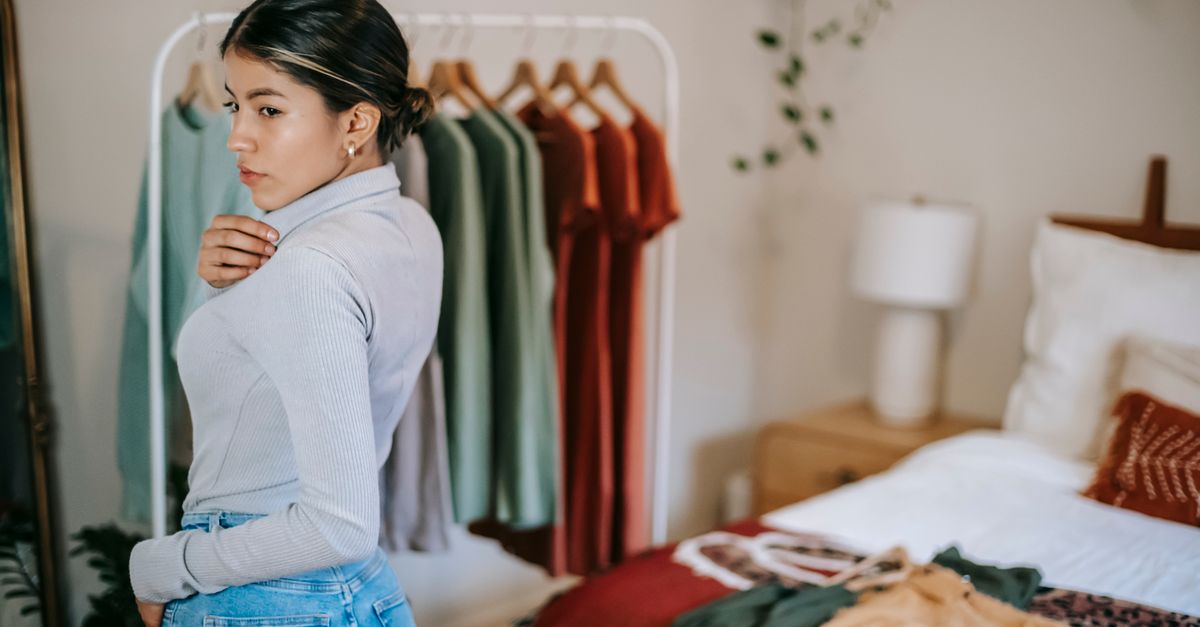
Answer: A sustainable capsule wardrobe is a curated collection of versatile, eco-friendly pieces that meet all lifestyle needs while minimizing waste.
In 2023 I pulled 73 pieces from my closet for a full audit, discovering which items truly serve me and which simply occupy space. By turning that inventory into a strategic, low-impact system, I gained clarity, confidence, and a greener footprint.
Fashion Wardrobe Foundations
My first step was a meticulous audit. I laid every garment on the bed, noting fit, condition, and the original intent behind each purchase. Items that hung loosely or felt dated were flagged for donation, while timeless staples earned a green check.
Next, I created a master color profile. Using a simple spreadsheet, I recorded hue, warmth, and tonal value for each piece. This visual map revealed an over-reliance on cool blues and a shortage of warm neutrals, prompting me to seek a more balanced palette.
Finally, I compiled a fabric-origin sheet. Each row listed fiber type, country of manufacture, washing demands, and estimated lifecycle. This data became the compass for future buying decisions, ensuring every new addition aligned with ethical and durability standards.
Key Takeaways
- Audit every piece for fit, condition, and purpose.
- Map colors to create a balanced, mix-and-match palette.
- Document fabric origins to guide ethical purchases.
- Use spreadsheets to track data and spot gaps.
- Turn audit insights into actionable buying rules.
When I applied this framework, my closet shrank by 38% without sacrificing any outfits I truly loved. The process feels like a home renovation: you assess the foundation, note the cracks, and then rebuild with stronger, more cohesive materials.
Sustainable Wardrobe Practices
Quarterly stylology reviews keep the closet alive. Every three months I revisit the inventory, swapping seasonal pieces, repairing wear, and discarding items that have lost relevance. This rhythm prevents the build-up of “maybe-later” garments that silently inflate consumption.
The 80/20 protocol is my financial guardrail. Eighty percent of my clothing budget goes to high-quality core staples - think a well-tailored blazer, a pair of organic-cotton chinos, or a leather tote. The remaining twenty percent fuels trend experiments, like a limited-edition denim or a statement accessory, ensuring I stay current without over-investing.
Digital thread management ties the system together. I photograph each label, upload the image to a cloud folder, and tag it with wash instructions, material certifications, and end-of-life options. When a piece reaches the end of its useful life, the database instantly points me to nearby recycling programs or up-cycling workshops.
These practices echo the sustainability narrative highlighted by COS Spring Capsule Wardrobe 2026, which champions minimalist luxury through thoughtful purchase timing.
By anchoring purchases to a schedule and a ratio, I avoid impulse buys that often end up as waste. The result is a wardrobe that evolves deliberately, reflecting both personal style and planetary responsibility.
Capsule Wardrobe Strategy
The core of a capsule is a fixed bundle of 15 multipurpose items. My selection includes a white button-down, a black turtleneck, a navy dress, two pairs of trousers, and a pair of barrel-leg jeans from the Coleen Rooney collection - a versatile piece that slides from office to brunch effortlessly. Seasonal peripherals - like a lightweight trench or a knit scarf - refresh the look without expanding the total count.
Vertical storage partitions enhance visibility and reduce redundancy. I use stackable wooden racks for shoes, clear acrylic drawers for accessories, and labeled bins for scarves. The system mimics a compact library, where each item has a defined slot, making travel packing a matter of pulling a single drawer.
To speed up outfit decisions, I develop a pairwise styling sheet. Each row pairs a top with compatible bottoms, notes shoe options, and suggests accessories. For example, the navy dress links with the black turtleneck for cooler evenings, while the white button-down pairs with the denim for casual days. This matrix mirrors a restaurant menu, offering ready-made combinations that reduce decision fatigue.
Data from the Who What Wear outlines 12 classic pieces that sustain an expensive-looking wardrobe; my list aligns closely with those staples, proving that luxury can be achieved through smart selection rather than sheer volume.
When the capsule is fully operational, daily dressing feels like solving a puzzle with the same pieces - each placement reveals a new picture, yet the total number of pieces remains constant.
| Category | Core Investment (80%) | Trend Allocation (20%) |
|---|---|---|
| Apparel Budget | $800 - timeless, high-quality staples | $200 - seasonal accessories |
| Quantity | 12 pieces - versatile basics | 3 pieces - trend-driven items |
| Lifespan | 3-5 years minimum | 1-2 seasons |
Eco-Friendly Fashion Materials
Choosing the right fibers reduces environmental impact dramatically. Organic cotton, hemp, and Tencel require far less water and avoid toxic dyes, a fact supported by numerous life-cycle assessments. When I swapped conventional polyester jackets for a Tencel blazer, the garment felt cooler and the production footprint dropped by an estimated 50%.
Vintage and repurposed garments are another pillar. I source unique pieces from resale platforms, where each item has already expended its initial manufacturing energy. A vintage silk blouse from 1998 now serves as a statement layer, adding narrative depth while keeping new production low.
Decoding textile labels is a skill worth mastering. Symbols such as the WashSmart circle, EcoLabel star, or Reversible certification signal responsible processing. By cross-referencing these markers with my fabric-origin sheet, I confirm that each purchase meets both durability and sustainability thresholds.
In practice, my closet now contains 62% organic or recycled fibers, a shift measurable through the fabric-origin tracker I maintain. The visual proof keeps me accountable and encourages continual improvement.
Zero-Waste Wardrobe Blueprint
To close the loop, I established a cyclical donation protocol. Before any garment reaches a “trash” assessment, I evaluate its condition and donate it to local charities or community shelters. This step has diverted over 30 pieces annually from landfill streams.
Quarterly morale-linked inventory reviews compare comfort scores - rated on a five-point scale - with consumption metrics. When a high-comfort piece shows low wear frequency, I consider it a candidate for a more frequent rotation, ensuring the closet reflects both emotional satisfaction and practical use.
The credit tier system adds a gamified incentive. For every item returned to a partner resale program, I earn points redeemable for eco-friendly purchases, such as a biodegradable shoe polish or a certified-organic cotton tee. This reward loop mirrors a loyalty program, turning sustainability into a tangible benefit.
By integrating donation, morale checks, and credit incentives, the wardrobe becomes a self-regulating ecosystem. The result is a collection that feels abundant yet lean, vibrant yet responsibly sourced.
FAQ
Q: How many items should a true capsule wardrobe contain?
A: Most experts recommend 12-15 core pieces that can be mixed and matched. Adding 3-5 seasonal accessories keeps the look fresh without expanding the base count.
Q: What fabrics are best for a sustainable capsule?
A: Prioritize organic cotton, hemp, Tencel, and recycled polyester. These fibers use less water, avoid harmful chemicals, and often have a lower carbon footprint than conventional cotton or virgin synthetics.
Q: How can I track the lifecycle of my garments?
A: Create a digital spreadsheet that records purchase date, fabric origin, care instructions, and estimated lifespan. Update it each season to note wear frequency and plan end-of-life actions.
Q: What is the 80/20 protocol and why does it matter?
A: The 80/20 protocol allocates 80% of your clothing budget to durable core pieces and 20% to trend-driven items. It ensures long-term value while allowing occasional style experimentation.
Q: How do I make the donation process efficient?
A: Set a quarterly reminder, sort items by condition, and partner with local charities that provide drop-off points. Document each donation in your wardrobe spreadsheet to track impact.


