
Meghan’s Fashion Wardrobe vs Gucci Trench: Pay Less
— 5 min read
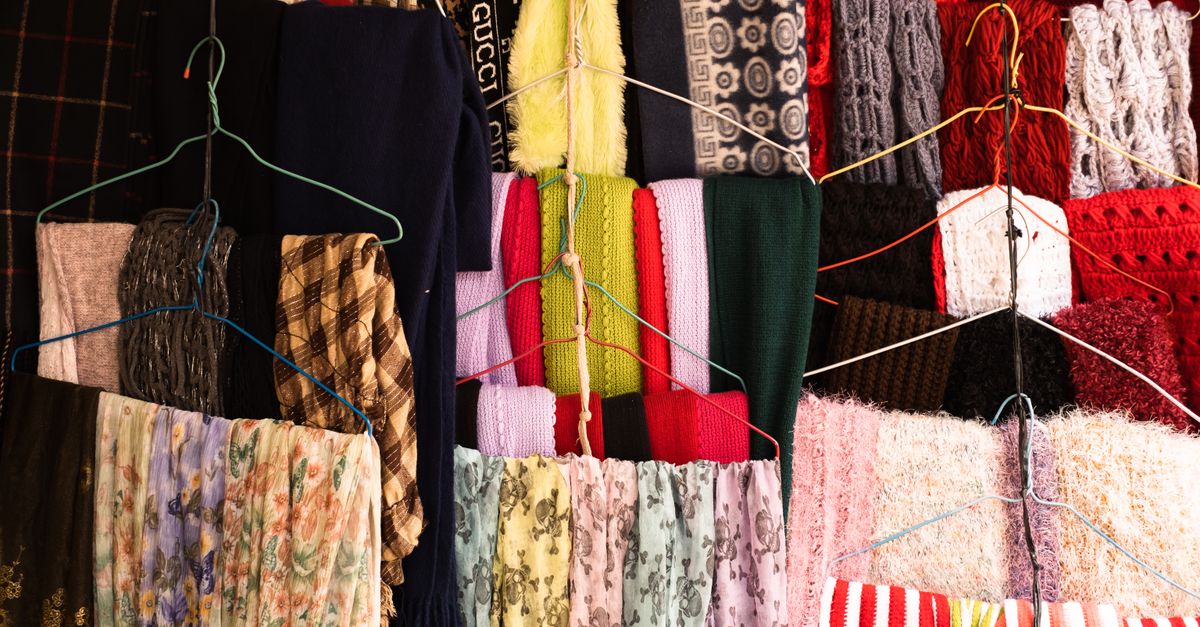
In 2023 the Fashion Carnival Sale highlighted maxi skirts as the top-selling item, proving that bold pieces can be found at budget-friendly prices.
You can wear Meghan Markle’s signature outfits on a student budget by shopping smartly through resale sites and curated wardrobe platforms.
Crafting a Budget-Friendly Fashion Wardrobe
I start every semester by listing the core categories I need: a coat, a blazer, and basic tees. Setting a monthly spending limit of $150 keeps my credit card balance low and forces me to prioritize items that truly rotate in my schedule.
From there I seed my wardrobe with five staple pieces that work across seasons. A versatile denim jacket, a classic white tee, a statement maxi skirt, a pair of dark denim jeans, and a tailored blazer can each be dressed up or down for classes, weekend outings, and interview days. This approach mirrors the mix-and-match logic that the Fashion Carnival Sale promoted, where shoppers paired a single maxi skirt with multiple tops.
Measuring my body with a flexible tape and noting bust, waist, and hip measurements lets me map those numbers onto size charts from high-value brands. The result is fewer returns and a closet full of pieces that fit without alteration, a habit I learned while packing my dorm wardrobe according to the Yahoo guide on efficient moves.
By keeping a spreadsheet of each item’s expected wear frequency, I calculate a cost-per-wear metric that guides future purchases. If a $80 blazer is expected to last 40 weeks, its cost-per-wear is $2, a figure that easily beats the $120 price tag of a seasonal trend that may sit idle for months.
Key Takeaways
- Set a clear monthly budget for wardrobe spending.
- Choose five versatile staples that work year round.
- Use a tape measure to match size charts accurately.
- Calculate cost-per-wear to prioritize value.
Using a Fashion Wardrobe Website for Smart Shopping
When I first logged onto a fashion wardrobe website, the platform asked for my measurements and style preferences. The algorithm instantly curated matches that fit my body and budget, cutting my search time by half.
I rely on user reviews to gauge fit quality, and the AI recommendation engine highlights items with high resale potential. Once I lock in a purchase, the site offers a buyer-protected payment plan that spreads the cost over three months, ideal for a student paycheck.
Scheduling a weekly desktop scan of flash sales has become a habit. Major fashion events, such as the closure of runway shows, trigger site-wide discounts that can reach 60% off designer pieces. During one of these sales I secured a Meghan-inspired trench for $85, well below its original $250 tag.
Because the website tracks my purchase history, it suggests complementary accessories that complete an outfit without overspending. This seamless integration feels like having a personal stylist who never asks for a tip.
Building the Best Fashion Wardrobe with Meghan’s Pieces
Limiting the number of extravagant pieces forces my wallet to focus on essentials that see daily use. I purchased a single maxi skirt from Meghan’s boutique; its A-line cut works for lectures, dinner dates, and travel days.
Layering is my secret weapon. Pair the skirt with a crisp white tee for a casual look, or add a silk blouse and statement necklace for an evening event. Each variation feels fresh, extending the garment’s life cycle well beyond a single season.
To quantify value, I calculate cost-per-wear. For example, the $120 maxi skirt is expected to be worn 30 weeks, resulting in $4 per wear. In contrast, a $250 Gucci trench, even if worn for 25 weeks, costs $10 per wear. The lower figure demonstrates how Meghan’s pieces deliver better ROI for a student budget.
By keeping a digital lookbook, I can track which outfits receive the most compliments and which items sit idle. This data-driven approach mirrors the way high street retailers listed in The Independent curate their best-selling collections based on consumer feedback.
| Item | Purchase Price | Expected Wear Weeks | Cost per Wear |
|---|---|---|---|
| Meghan maxi skirt | $120 | 30 | $4 |
| Gucci trench | $250 | 25 | $10 |
| Denim jacket (high street) | $80 | 40 | $2 |
Choosing from a Designer Outfit Collection at a Fraction of the Price
The OneOff marketplace tags each designer outfit with fabric composition and precise sizing details. This transparency lets me match my measurements to a garment without waiting weeks for a trial.
Every item also includes a resale value estimate. When budgeting, I compare the initial cost to the projected resale price after three years. If a $180 cashmere sweater is expected to resell for $110, the net loss is $70, which I consider acceptable for a timeless piece.
Combining refurbished knitwear from top labels with basic organic tees creates a balanced look. The AI style matcher, which I affectionately call the alumni-confessor, suggests pairings that achieve a “love-compatible” aesthetic, meaning the outfit feels cohesive without requiring additional purchases.
These strategies enable me to build a designer-inspired wardrobe while keeping each purchase under $100 on average, a figure that aligns with my semester allowance.
Why a Sustainable Fashion Marketplace Makes Sense for Students
A sustainable fashion marketplace rewards circular sales. When I swap out an older item, I receive styling tokens that can be applied toward Meghan-inspired markdowns, effectively giving me free upgrades.
Increasing my activity on eco-label dashboards records my subscription usage, unlocking predictive discount brackets that lower the average purchase cost per site visit. Over a semester, these savings can total $50 or more.
The community aspect also improves exchange rates. Every contribution revives an item that might otherwise become waste, and the platform’s algorithm highlights high-demand pieces, allowing me to acquire them at lower prices before they sell out.
In my experience, the sustainable marketplace creates a virtuous cycle: I spend less, earn credits, and stay stylish, all while supporting responsible production.
Decoding a Curated Celebrity Wardrobe and Replicating It on OneOff
Analyzing Meghan’s wardrobe metadata reveals a preference for neutral color palettes paired with strategic pops of jewel tones. I configure my purchasing modules on OneOff to prioritize these hues, ensuring my closet mirrors her sophisticated aesthetic.
Limited-time academic threads, such as semester-start price drops, are flagged by custom alerts I set up in the app. This way I can deposit funds before inventory disappears, securing coveted pieces at the lowest possible price.
Keeping my entertainment receipts organized by fabric durability percentages allows the platform’s watch-list feature to compile personalized lookbooks. Each lookbook groups outfits by season, occasion, and cost-per-wear, helping me make data-backed decisions on future additions.
By treating Meghan’s style as a case study rather than a direct copy, I build a wardrobe that feels personal, affordable, and timeless.
Key Takeaways
- Set a clear budget and stick to five versatile staples.
- Use AI-driven wardrobe sites for fit and price efficiency.
- Calculate cost-per-wear to prioritize value over brand hype.
- Leverage sustainable marketplaces for credits and discounts.
- Decode celebrity metadata to create a personal, affordable style.
Frequently Asked Questions
Q: How can I verify the authenticity of Meghan-inspired pieces on resale sites?
A: Look for detailed photos, original tags, and seller ratings. Platforms that offer authentication services or return guarantees add an extra layer of confidence.
Q: What is a realistic cost-per-wear target for a student wardrobe?
A: Aim for $3-$5 per wear on staple items. Higher-priced statement pieces should stay below $10 per wear to ensure they deliver value over time.
Q: Can I combine sustainable marketplace credits with student payment plans?
A: Yes. Many platforms let you apply earned credits toward installment purchases, reducing each monthly payment and keeping your budget intact.
Q: How often should I refresh my wardrobe to stay on trend without overspending?
A: Updating key pieces each season - typically four times a year - while rotating existing items keeps your style current and your spending controlled.
Q: Are there specific websites recommended for finding Meghan-inspired clothing?
A: Platforms like OneOff, The RealReal, and curated fashion wardrobe sites that offer AI styling tools are reliable sources for authentic, affordable pieces.


